By Hotels Guide Thailand editorial team
The best time to visit Thailand, region by region
Thailand's three seasons explained, with month-by-month advice for Bangkok, the north, Isan, the Andaman coast and the Gulf islands.
There is no single best time to visit Thailand, because the country is long and its two coasts have different monsoon patterns. The short answer: November to February is the most comfortable time for most of the country, but the Gulf islands (Ko Samui, Ko Pha Ngan and Ko Tao) are often at their best from January to August, when the Andaman coast is wetter.
The three seasons
Thailand’s weather is usually described in three seasons:
| Season | Months (approx.) | What to expect |
|---|---|---|
| Cool season | November to February | Dry, sunny, lower humidity; cold nights in the northern hills. Peak tourist season. |
| Hot season | March to May | Very hot and humid across the country; April is usually the hottest month. |
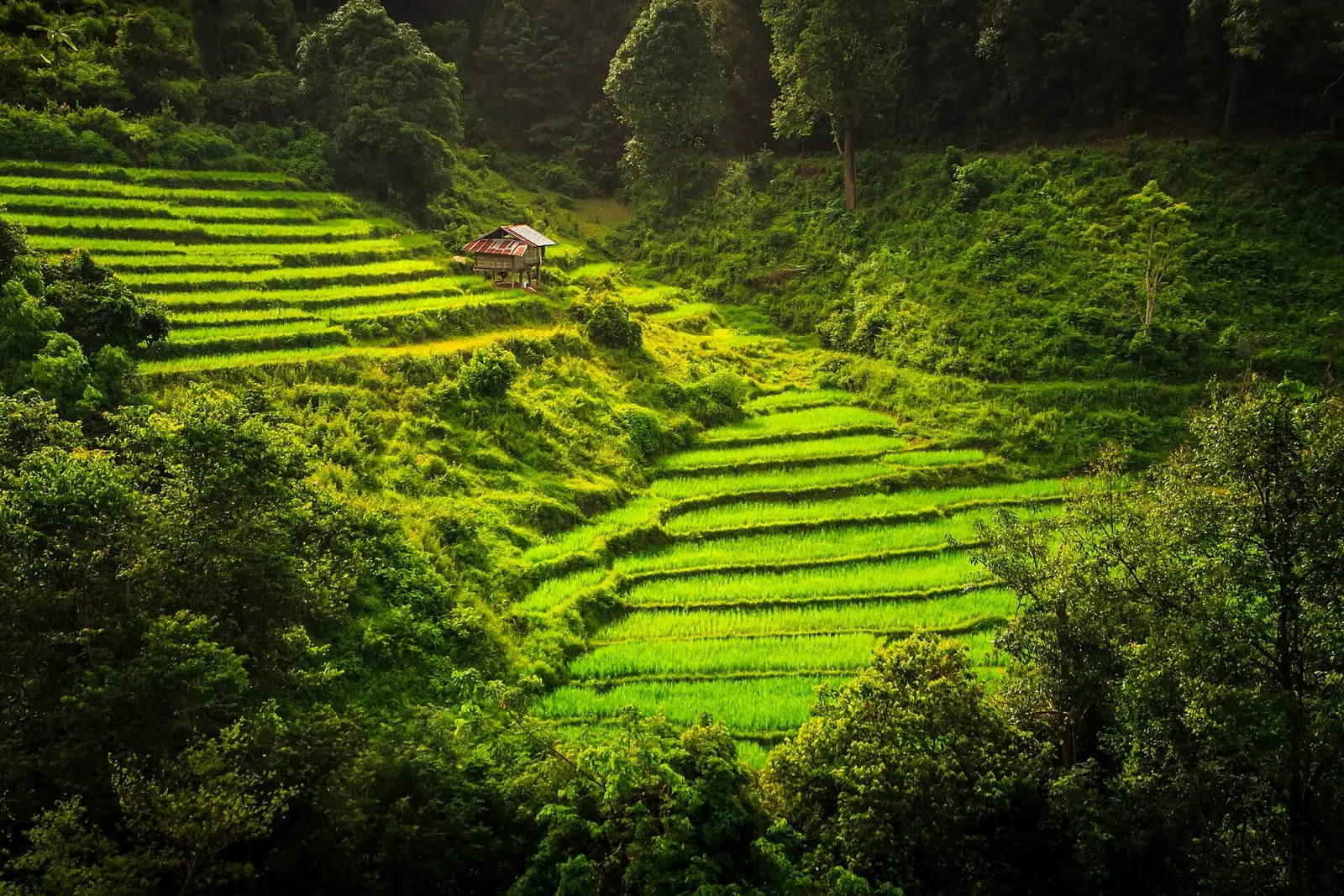
| Rainy season | June to October | Heavy showers, often in the afternoon or evening; green countryside, lower prices. |
The dates vary from year to year, and the south follows its own pattern (see below).
Region by region
Bangkok and Central Thailand. The cool season is the most pleasant for sightseeing. March to May is very hot. The rainy season brings short, heavy downpours and occasional flooding of streets, but city travel is still very workable.
Northern Thailand (Chiang Mai, Chiang Rai, Pai). November to February is ideal, with cool mornings. From about February to April, smoke from agricultural burning often causes severe air pollution; if you are sensitive to smoke, avoid this period or check the forecast. The rainy season is green and quiet.
Isan (Northeast). November to February is most comfortable. Several major festivals, including the rocket festivals (May), Phi Ta Khon (June or July) and the Ubon Candle Festival (July), fall outside the cool season.
Andaman coast (Phuket, Krabi, Phang Nga, Ko Lanta). Best from November to April. From May to October, the southwest monsoon brings more rain, big waves and dangerous rip currents on west-facing beaches. Some islands and national parks, such as the Similan Islands, close for the season.
Gulf of Thailand islands (Ko Samui, Ko Pha Ngan, Ko Tao). Generally best from January to August. The wettest months are usually October to December.
Eastern Seaboard (Pattaya, Ko Samet, Ko Chang). Best from November to April. Pattaya and Ko Samet are visited all year; Ko Chang and the Trat islands are wetter from May to October.
Planning around holidays
Thai public holidays and long weekends, especially Songkran (13–15 April) and New Year, mean busy roads, full trains and higher hotel prices. Chinese New Year brings many visitors from across Asia. Book well ahead if your trip overlaps these dates.
Is the rainy season worth it?
Often, yes. Rain usually falls in short bursts, the landscape is green, and hotel prices can drop considerably. Choose your coast carefully: in July, for example, Ko Samui is usually a better bet for beach time than Phuket.